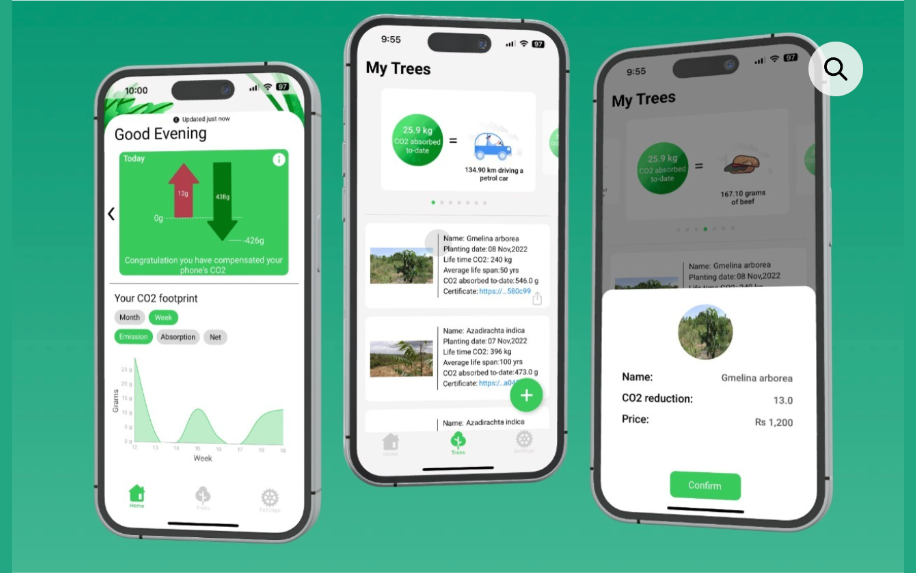
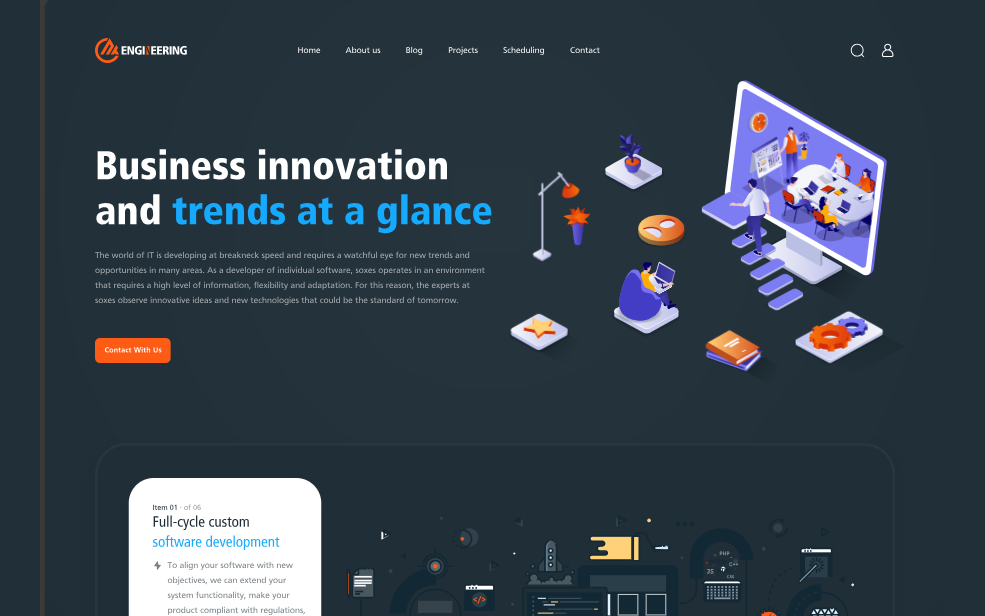
We help teams turn an unclear product, difficult workflow, or inconsistent interface into something people can understand and use. The work connects evidence, product decisions, interaction, visual language, and implementation—not decoration in isolation.
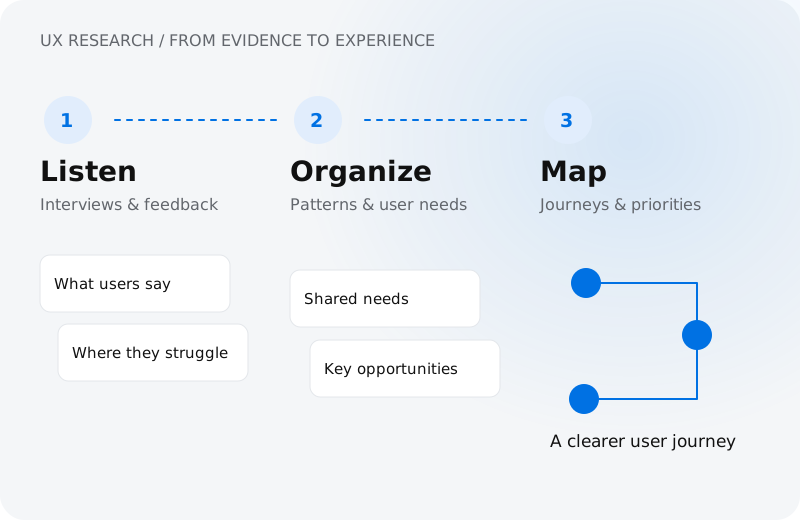
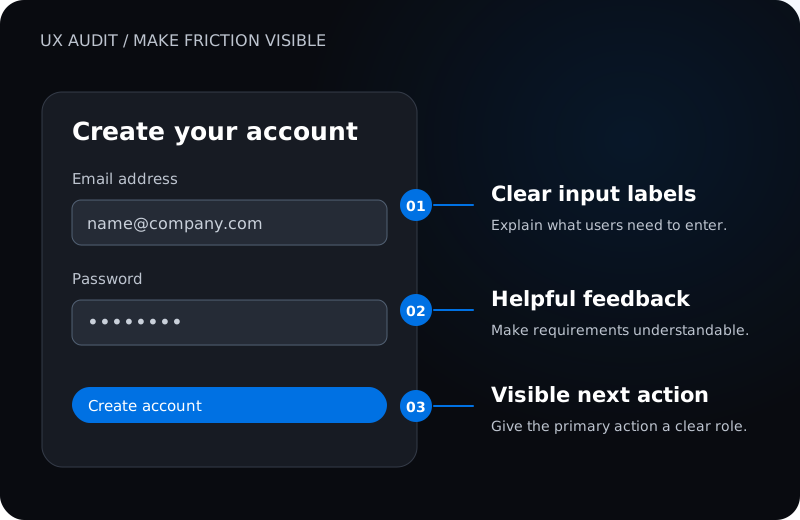
We review the product, analytics and support evidence available, speak with relevant users or stakeholders when access allows, and map the decisions people are trying to make.
The output is a prioritized problem definition with evidence and open questions. Research depth depends on participant access and cannot eliminate every product assumption.
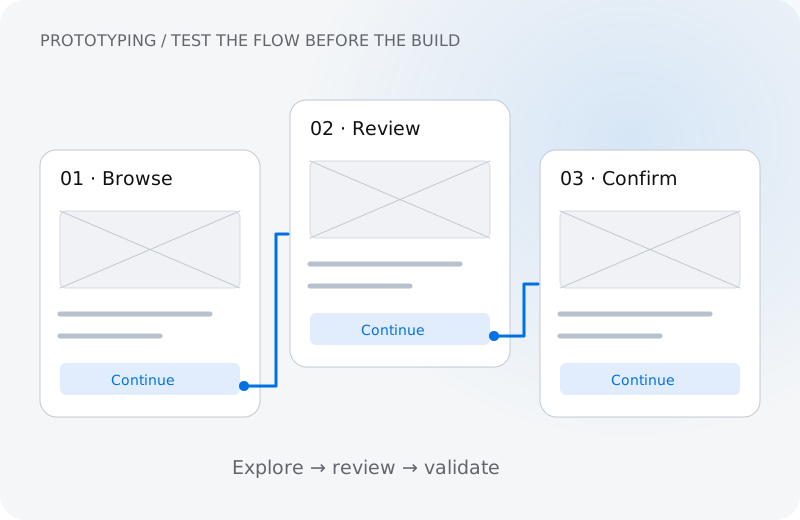
We structure journeys, information, states, permissions, and edge cases before high-fidelity design. Prototypes make critical interactions reviewable before engineering cost accumulates.
A prototype validates comprehension and workflow assumptions; it does not prove production performance, technical feasibility, or market demand by itself.
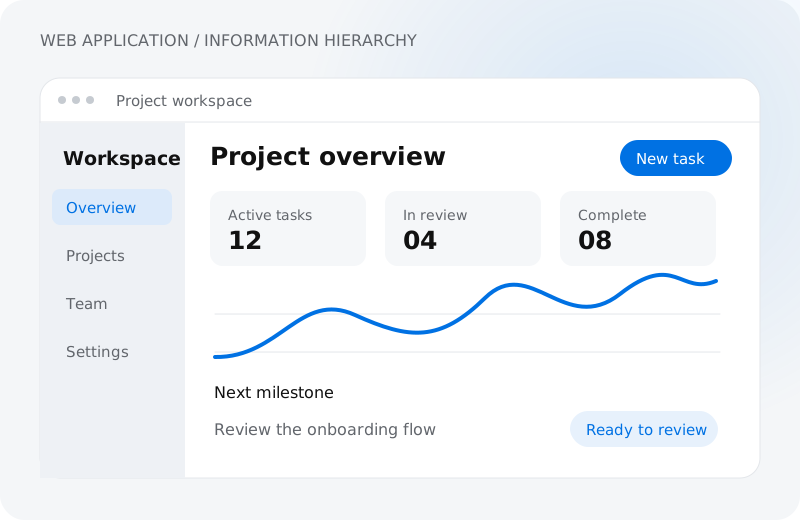
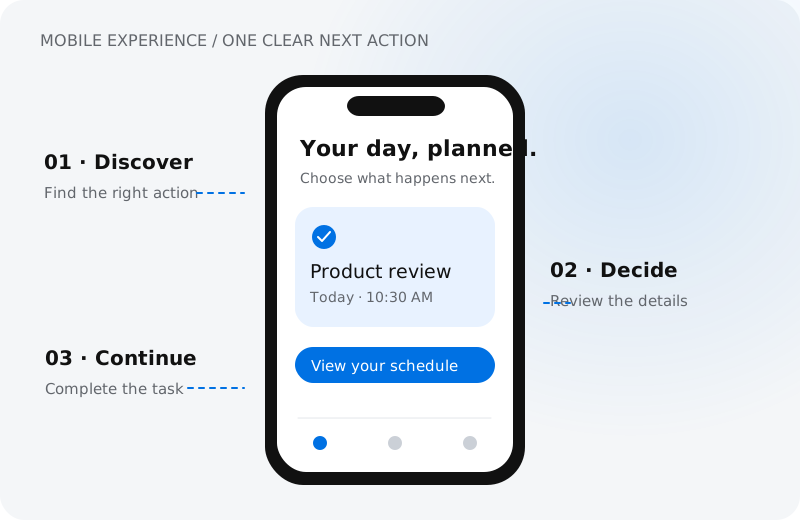
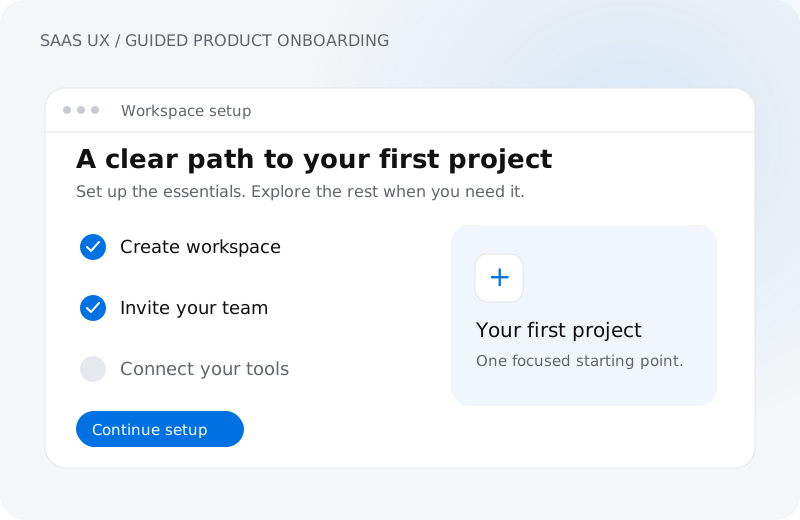
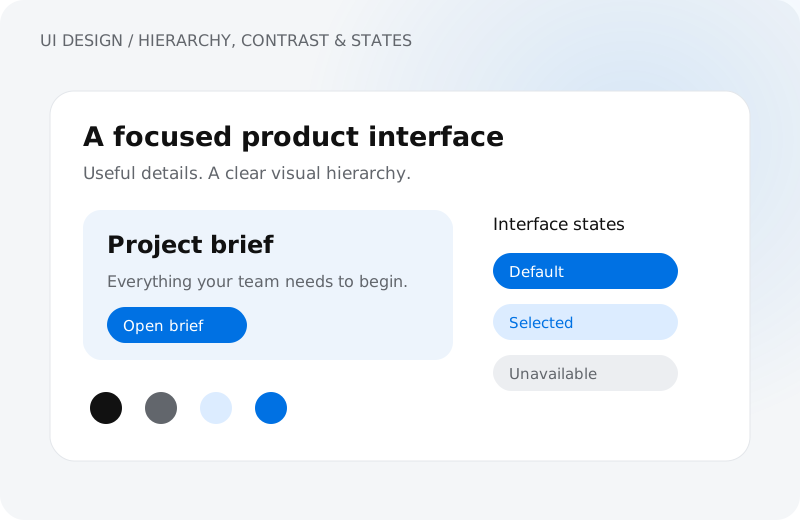
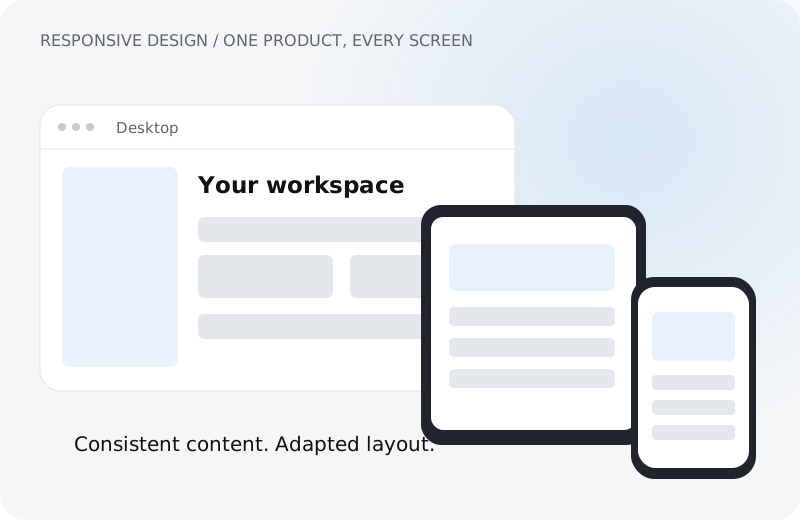
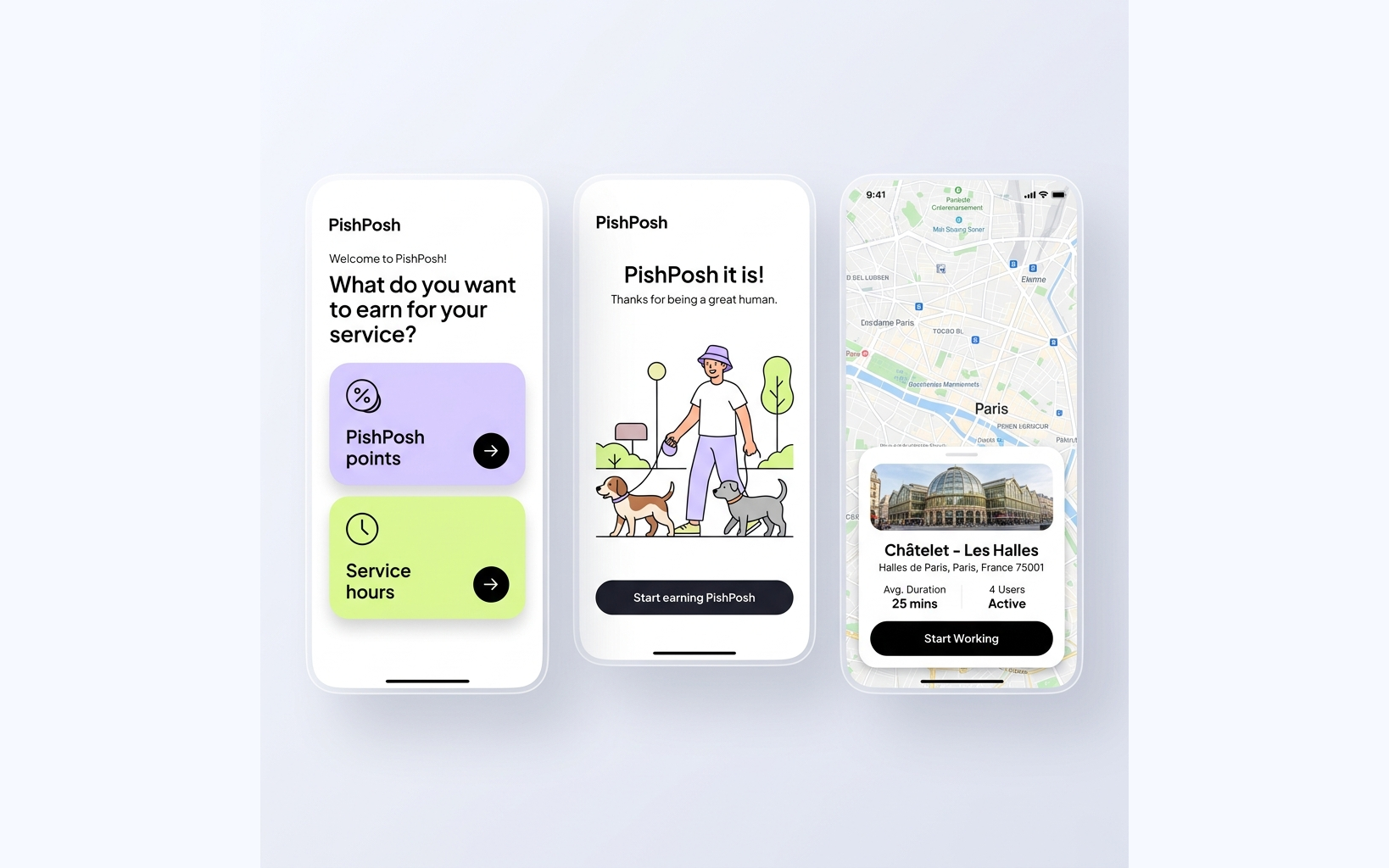
We design responsive web and mobile interfaces with clear hierarchy, useful states, accessible interaction, and motion that supports understanding.
The result includes implementation-ready behavior and assets at the agreed fidelity. Content production, brand strategy, and frontend development are included only when named in the scope.
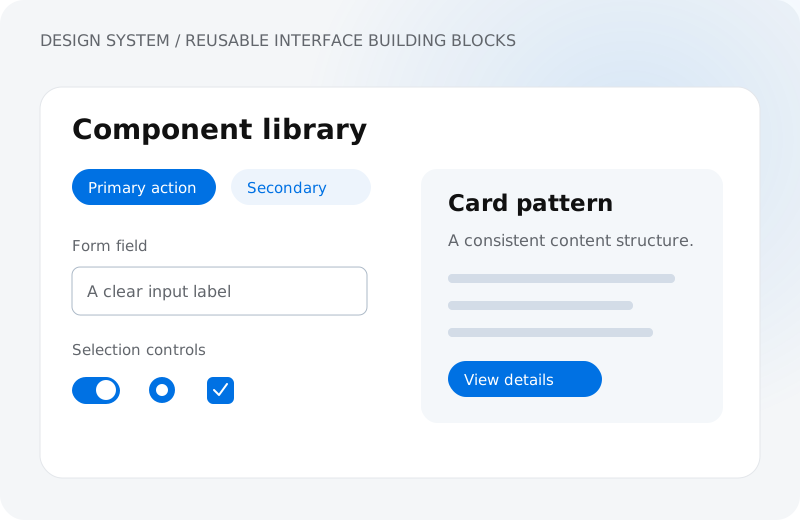
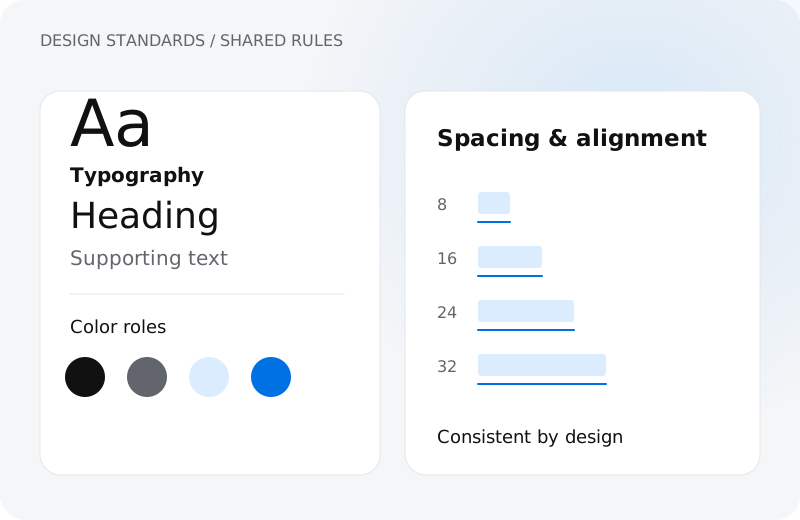
We establish reusable foundations, components, states, patterns, and documentation so product teams can make consistent decisions without redrawing every screen.
A design system needs governance and engineering adoption to remain useful. A component library alone does not guarantee consistency.
We review important journeys, keyboard and responsive behavior, component states, content clarity, and implementation questions in proportion to the product risk.
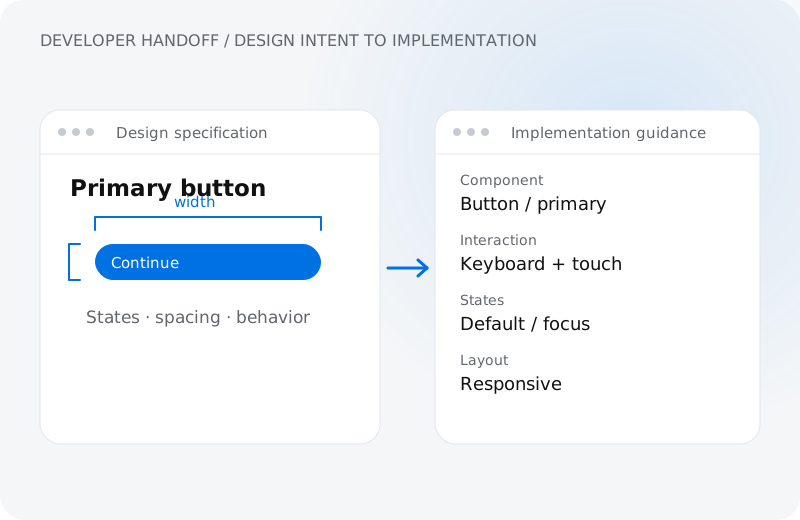
When Orbxis also engineers the product, design and implementation can be resolved together. With another delivery team, we provide agreed specifications and review support; final code quality remains shared with that team.
Ways to begin
Scope depends on product maturity, research access, number of workflows and platforms, visual direction, component depth, and implementation support.
For identifying important usability, structure, accessibility, and consistency issues in an existing product.
For turning a product idea or difficult workflow into prioritized journeys and a testable prototype.
For a defined set of responsive web or mobile journeys with states, behaviors, and implementation support.
For establishing or improving reusable foundations, components, patterns, documentation, and governance.